

Thermostats 🎚️ or Thermometers 🌡

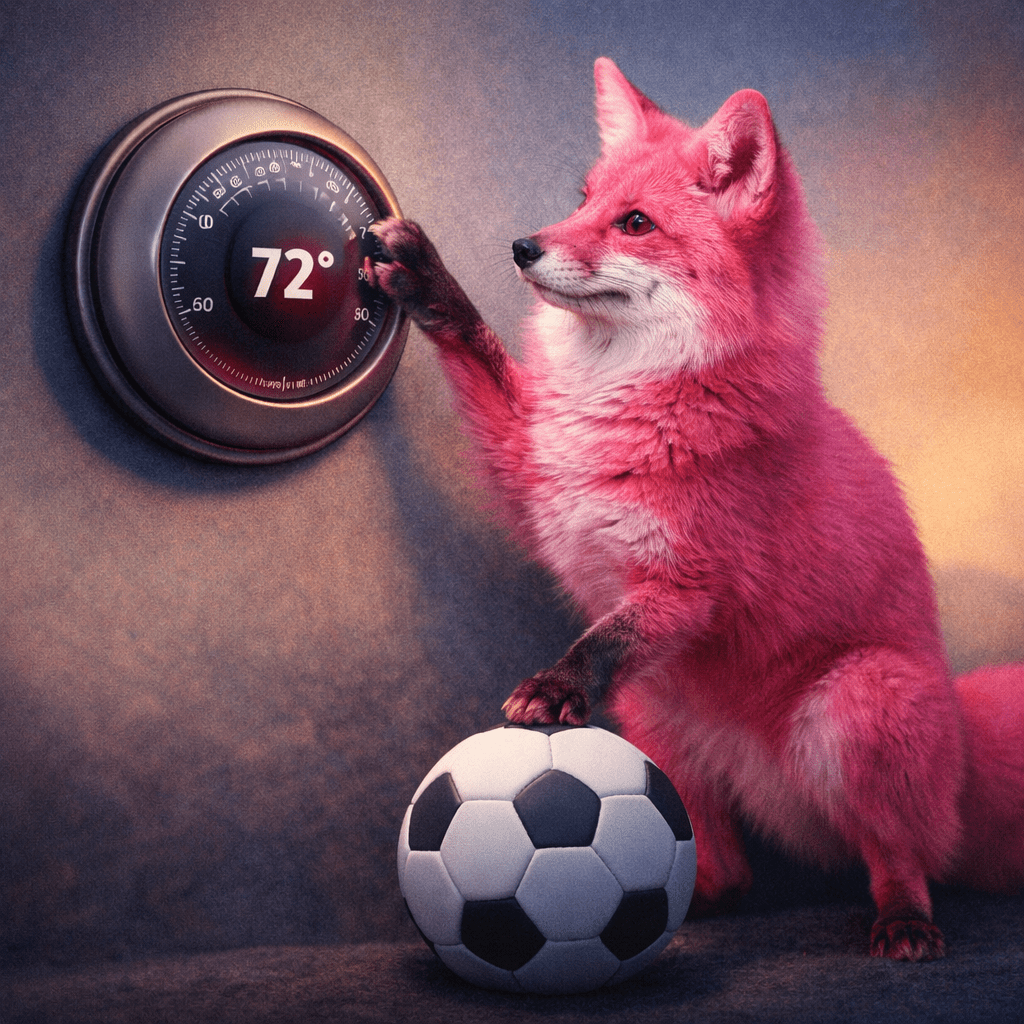
I believe in analogy and visuals in a lot of the work that I do. I think they build stronger connections with people, whether that be colleagues, supervisees, or players you are coaching.
When coaching teams, I often emphasize one of the Habitudes from Dr. Tim Elmore: Thermostats and Thermometers. My players might get tired of hearing me bring it up, but I do because both the visual and the meaning behind it support the kind of culture I hope to create as a leader.
As Elmore writes:
“People are either thermometers or thermostats. They will merely reflect the climate around them, or they will set it.”
Leaders develop values and principles to live by, and those values help set the tone for others. But I want all of the players on our team to feel like they have the agency, trust, and respect from both the coaches and their teammates to act as thermostats when the moment calls for it.
The most successful teams I have been a part of operate in this manner. Culture is not defined only by the coach, the captains, or the best player. It is shaped by everyone who contributes to the team.
Each person feels like they have something to offer, and just as importantly, they feel safe enough to offer it. If someone tries to set the temperature, nobody is going to smack their hand away from the dial.
Think about a moment when something is not going right for you. How do you approach the situation? Do you simply reflect what is happening around you, or do you try to influence it?
That is not an easy thing to do. It takes courage to put yourself out there and try to shift the culture of a group. It can feel uncomfortable to challenge the temperature in a room when everyone else seems content to simply sit in it.
But organizations and teams do not make progress if everyone is only reflecting the current climate.
In a sport like soccer, this becomes even more important. There are no timeouts. Coaches cannot step in every few minutes to reset things. Players need to grow into their own leadership on the field so that when things are not going their way, they can respond together.
When that happens, you do not have a group of thermometers looking to the sideline for someone else to fix it. You have a group of thermostats ready to influence the moment.
Every team and organization will face challenges that require different responses and different energy. The more leaders can build trust, provide agency, and encourage ownership, the more people feel empowered to help set the temperature together.
So the next time your team is losing, the project is not going right, or your group is struggling to recognize a big win, ask yourself a simple question.
Are you just measuring the temperature in the room?
Or are you helping set it?
Steve