

The Leadership Lessons Hidden in the Jam Aisle🥫

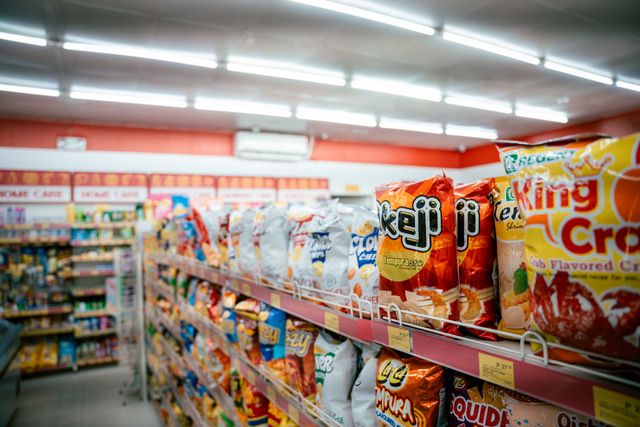
We like having more options.
As an example, the typical large grocery store has somewhere between 100-200 different potato chip products and between 20-40 different flavors. That’s an incredible amount of choice.
Now, that number might count things like Takis, who I believe belong in some other section entirely—perhaps the “things humans should not ingest” aisle.
But it’s true. We have a lot of choices to make these days and a lot of options to choose from.
And when we’re in positions of leadership, the default is often to add more. After all, more is better, right? You want people to have choice. You want to provide your customers, clients, students, or team members with more options.
The reality, though, is that all of this choice often leads to fatigue and indecision.
How many times have you stood in the chip aisle trying to decide between three different types of BBQ Ruffles and ended up choosing none of them?
After all, what if you get home and discover the one you bought is terrible?
You blew it.
Better safe than sorry.
Working with teams, organizations, and individuals, I often stress a less-is-more mentality. Simplify. Reduce. Eliminate.
And don’t just take my word for it. Take the jam study’s word for it.
[Researchers found that if you sold jam at two tables, one with twenty-four options and the other with six, the table with twenty-four options attracted more shoppers (60 percent vs. 40 percent), but resulted in sales just 3 percent of the time compared to 30 percent at the simpler table. That’s ten times the sales from one-fourth the options.
At the table with twenty-four choices, the possibility of making the “wrong” choice increased dramatically. The fear of choosing poorly—and regretting it—became paralyzing when multiplied across dozens of options. Choosing one jam could feel like losing out on the potential enjoyment of the other twenty-three. This potential “loss” sent people to the safest option: inaction, also known as status quo bias.
The authors connect this directly to leadership:
“Now you, the leader, are the customer in this scenario. Replace ’24 jams’ with ‘240 strategy decisions’ or ‘120 revenue ideas’ or ’24 CFO candidates.’ The sheer scale of uncertainty from so much information to consider is, neurologically speaking, unnerving.”]
The Octopus Organization P. 170
Your intentions are usually good. You want people to have choice.
But every option you add also adds analysis, comparison, and decision-making. In other words, you’re increasing the mental load.
Sometimes leadership isn’t about creating more options.
Sometimes it’s about doing the analysis for your people, reducing complexity, and making it easier for them to take action.
What options could you remove for your team?
And what options might you take off the table for yourself so you don’t fall victim to status quo bias and end up doing nothing at all?
Steve