

What Will You Leave Behind This Year as a Leader?

New years invite new beginnings. A chance to wipe the slate (at least a little) clean. Try a new habit, learn a new skill, or approach things differently.
It can also be a powerful moment to reset as a supervisor or coach. The world turning on its axis gives us this culturally accepted pause—a moment where reflection and change feel not only possible but also expected. Most people are more open to resets right now.
So this is a good time to look back on the past year and decide how you want to move forward in how you lead and support others.
Consider this your permission—motivation if needed—and a gentle nudge if required to start the year off with a focus on developing your people.
Too often we resort to getting the work done. A focus on outcomes and output. Which certainly keeps the grass cut, but what is the lasting impact other than a tidier yard? That statement will make more sense in a minute :).
The book I read to close out 2025 was the classic, Fahrenheit 451 by Ray Bradbury. I’ve been trying to read more classics, so every now and then I add one to my reading shelf. Given where we are as a society, there are a lot of parallel themes, including censorship, technology use, conformity, and a sense of what the future could be. Sound relevant? It’s pretty brief if you haven’t read it… I think it’s worth it.
Near the end of the book, a friend says to Montag (the main character):
“Everyone must leave something behind when he dies, my grandfather said. A child or a book or a painting or a house or a wall built or a pair of shoes made. Or a garden planted. Something your hand touched some way so your soul has somewhere to go when you die, and when people look at that tree or that flower you planted, you’re there. It doesn’t matter what you do, he said, so long as you change something from the way it was before you touched it into something that’s like you after you take your hands away. The difference between the man who just cuts lawns and a real gardener is in the touching, he said. The lawn cutter might just as well not have been there at all; the gardener will be there a lifetime.” P. 156-157
I thought about shortening the quote—but it’s too good not to include in full.
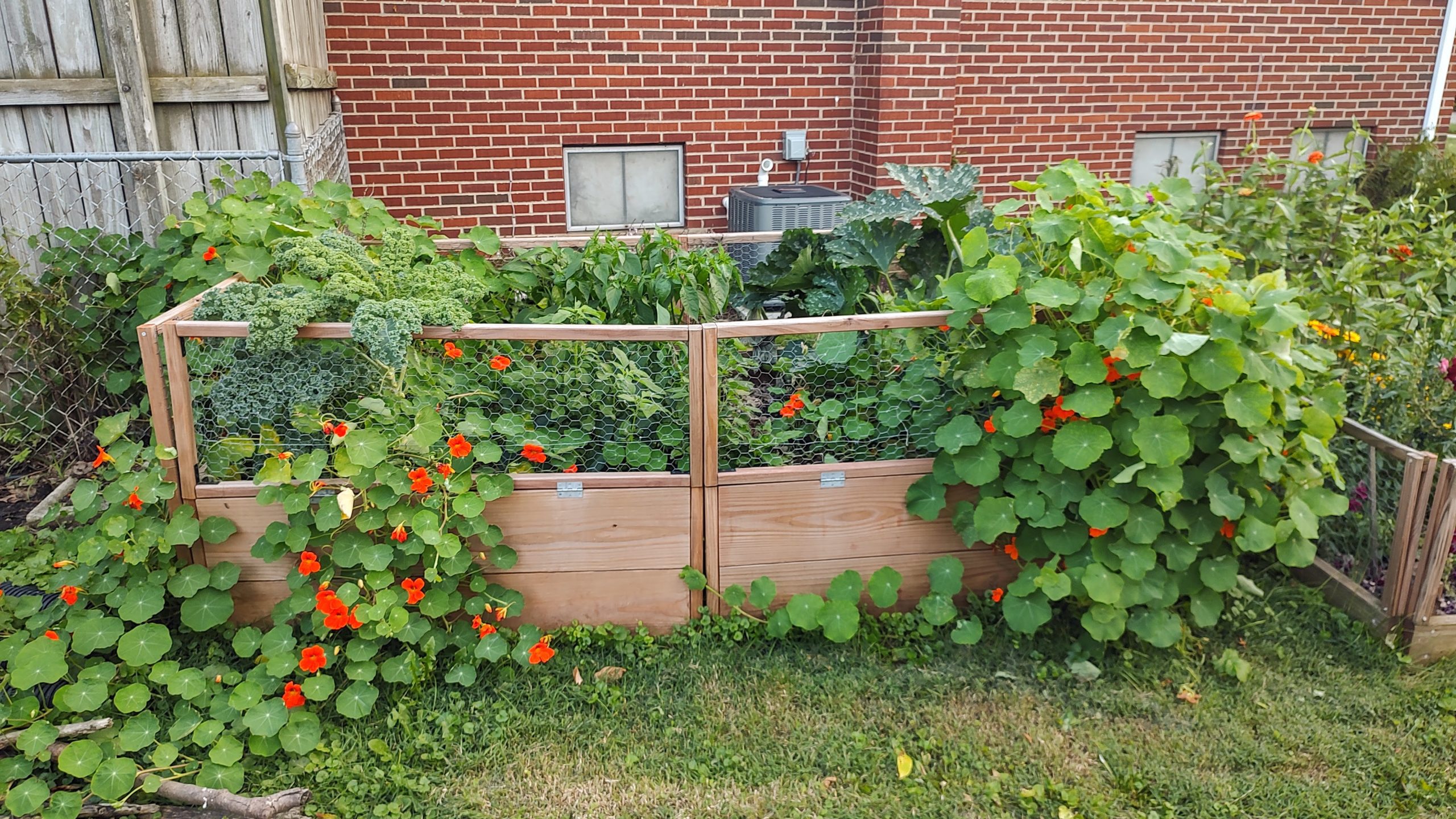
As supervisors and coaches, we can be lawn mowers or gardeners. We can focus solely on keeping things trimmed and tidy, or we can take the extra time and care to help people grow.

Gardening, of course, takes way more effort. Planting, feeding, watering, waiting—it’s far more work than mowing. But the result is worth the investment of time and energy: you see where they started, how they grew, and where they ended up. Visualize what it’s like to view a master gardener’s front lawn vs. someone that mows their yard constantly until there is nothing left. Well, our people can end up blossoming or burned down to nothing depending on what approach we take as leaders.

There’s no shortage of research showing that investing time, resources, and energy into developing people leads to stronger contributors, better leaders, and healthier organizations. They feel cared about because someone took the time to help them get to where they wanted to go on a project, in a position, or in life. You cared.
In the end, leadership isn’t just about what gets done—it’s about what remains after we move on, and whether our people are better because we were there.
So here’s your nudge.
Start off the new year with a conversation with your people about how they want to develop this year and make a commitment to support them in that endeavor throughout the year.
I have been trying to take up as much of my yard with plants as I can so I don’t have mow as much lawn. Its also just better for the environment.
Steve